The site that made random chat normal
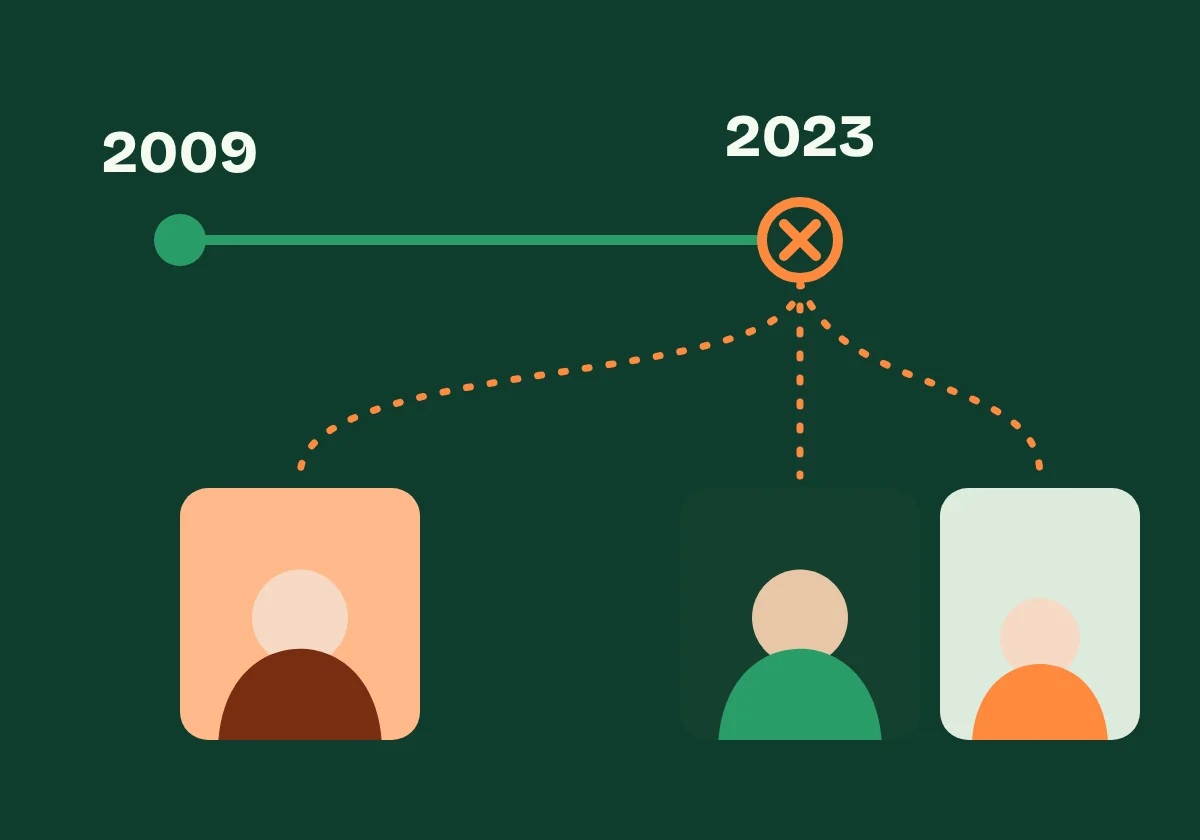
Omegle went online in March 2009. It was built by Leif K-Brooks, who was 18 and living in Vermont, and the idea was about as simple as a website can be: press a button, get paired with a stranger, and type. There were no names. The two people in every conversation were just “You” and “Stranger”.
It spread fast. Within a month the site was reportedly drawing around 150,000 page views a day, and a year after launch it added the feature most people remember it for: video. From then on, Omegle meant a webcam, a stranger and a button to move on.
For a long stretch it was simply the default. If you wanted a spontaneous, anonymous conversation with someone you would never otherwise meet, you went to Omegle. When the pandemic kept people at home it had a second surge, helped along by creators who turned random matches into videos.
How it worked
Part of the appeal was that there was nothing to learn. You did not create an account or build a profile. You chose text or video, optionally typed a few interests, and the site matched you with someone else who was waiting. If the conversation died, you ended it and were matched again within seconds.
That same openness was the weak point. For most of its life Omegle allowed anyone aged 13 and over, and nobody checked. A site built on anonymity had very little way of knowing who was on the other side of the camera.
Why it shut down
On 8 November 2023, K-Brooks replaced the homepage with a long farewell note and closed the site. The problem he described had been building for years: the anonymity that made Omegle fun also made it attractive to people who wanted to abuse it, including adults who targeted children.
The closure came after Omegle settled a lawsuit brought by a young woman who had been paired with an abuser on the site when she was a child. In his note, K-Brooks wrote that running Omegle was no longer sustainable, financially nor psychologically
. He also defended the site, saying it had moderated chats with the help of AI and had passed evidence to law enforcement, but he conceded that the fight against misuse was one he could no longer keep paying for or carrying.
Nothing has replaced it officially. There has been no relaunch, and the original team is not behind any of the sites that use the Omegle name today.
Is Omegle coming back?
There is no sign of it. K-Brooks has not announced a return, and after the shutdown the omegle.com homepage carried only his farewell note.
That matters because the name did not disappear with the site. Plenty of lookalike sites use “Omegle” in their name or address. Some are ordinary chat sites borrowing a famous word; others exist to push downloads or payments. If a site claiming to be Omegle asks you to install something, pay to start, or hand over personal details, close the tab.
Where everyone went
The audience did not vanish; it scattered. Three kinds of service picked it up, and we compare several of them in our guide to Monkey app alternatives.
The first is phone-first apps, and the Monkey app is the best known. It rebuilt random chat as a social app, with profiles, a short timed first match and a paid tier for extras such as filters.
The second is the older roulette sites. OmeTV offers random video in a browser and as phone apps, with a country filter. Chatroulette, which launched in November 2009 and is older than Omegle's own video chat, is still running and now uses automated nudity detection.
The third is lighter, browser-only sites that keep the original idea small. Monko is one of these: no app, no account needed to start, one-to-one video for adults. It is our own site, so weigh that accordingly.
What changed after Omegle
The services that survived look different from the Omegle of 2010. Almost all of them now say they are for adults only. Most have a report button in the chat and some form of automated screening. Several require a sign-in before you can match at all.
What has not changed much is age checking. Online-safety regulators and charities point out that popular random-chat apps still confirm age with a tick box, not a real check. An adults-only label tells you who a service is meant for, not who is actually on it.
That is the honest lesson of Omegle's fourteen years. Random chat can be a good thing, and it is never fully controlled. The useful question is not whether a site is perfectly safe, because none is, but whether it is upfront about its limits and gives you the tools to leave and report.
What Omegle got right
It is easy to remember Omegle only for how it ended. For most of the people who used it, though, it was something simpler: a place to practise a language, fill an evening, play a song for a stranger or have the kind of conversation you cannot have with people who know you. K-Brooks described it in his farewell as an attempt to let people meet others they otherwise never would.
That is worth keeping in mind when choosing what to use instead. The goal is not to find the wildest site or the strictest one. It is to find a place where that kind of unplanned conversation can still happen, among adults, with a clear way out when it goes wrong.
What to look for in a replacement
- It is clearly adults-only, and says so before the camera turns on.
- You can start a chat without a download and without paying.
- There is an obvious way to leave a chat instantly, and a way to report.
- It tells you plainly who runs the service and what happens to your data.
- It does not push you to hand over a phone number, social accounts or card details.
That list is also how we would judge any Omegle alternative, including our own. If a site passes it, the rest comes down to habits: stay anonymous, keep personal details to yourself, and treat every conversation as one that could be recorded. Whichever random video chat you choose, staying safe is mostly about what you share.